Blog Details
Designing High-Converting Chatbot Flows for Support and Sales
Customer expectations have changed dramatically. Users expect instant responses, personalized interactions, and seamless support—regardless of time, channel, or device. This shift has propelled chatbots from being simple automation tools to becoming strategic assets that drive customer engagement, operational efficiency, and revenue growth.
However, not all chatbots are created equal. While many businesses deploy chatbots to reduce workload or provide basic assistance, only a few succeed in designing chatbot flows that truly convert—whether that conversion means resolving a support issue efficiently or guiding a customer toward a purchase decision.
High-converting chatbot flows don’t happen by accident. They are thoughtfully designed, continuously optimized, and aligned with both customer needs and business goals. This article explores how businesses can design chatbot flows that deliver exceptional support experiences while unlocking powerful sales opportunities.
Understanding the Role of Chatbot Flows

A chatbot flow is the structured path a conversation follows between a user and a chatbot. It defines how questions are asked, how responses are delivered, what actions are triggered, and how users move from one step to another.
Unlike traditional scripts, modern chatbot flows must be dynamic and adaptive. They should respond to user intent, context, and behavior rather than forcing users into rigid decision trees. The goal is to create conversations that feel intuitive, helpful, and human—while still being efficient and scalable.
For support teams, effective chatbot flows reduce resolution time, lower ticket volume, and improve customer satisfaction. For sales teams, they qualify leads, answer objections, and guide users toward conversion at the right moment.
Start with User Intent, Not Technology
One of the most common mistakes businesses make is starting chatbot design with features instead of user intent. High-converting chatbot flows always begin by understanding why users are initiating conversations in the first place.
Most chatbot interactions fall into a few core intent categories:
-
Seeking information
-
Resolving an issue
-
Exploring products or services
-
Making a purchase decision
-
Requesting human assistance
Designing flows around these intents ensures that the chatbot responds with relevance from the very first message. When users feel understood immediately, they are far more likely to continue the conversation and reach a successful outcome.
Intent-based design also prevents unnecessary friction. Instead of asking users to navigate complex menus, the chatbot can quickly route them to the right path, saving time and improving satisfaction.
Simplify Conversations to Reduce Drop-Offs
Simplicity is one of the most powerful conversion drivers in chatbot design. Overly complex conversations, long messages, or too many choices can overwhelm users and cause them to abandon the interaction.
High-converting chatbot flows focus on:
-
Short, clear questions
-
Limited and relevant response options
-
Logical progression toward a goal
Each step in the conversation should serve a purpose. If a question doesn’t help move the user closer to resolution or conversion, it doesn’t belong in the flow.
Well-designed chatbot conversations feel guided rather than forced. They gently lead users forward while allowing flexibility for different needs and responses.
Designing Chatbots for Support Excellence
Customer support is often the first use case businesses implement chatbots for—and for good reason. When designed properly, chatbot flows can resolve a significant portion of support queries without human intervention.
Effective support chatbot flows focus on:
-
Quick issue identification
-
Clear troubleshooting steps
-
Instant access to relevant information
-
Smooth escalation to human agents when needed
Rather than attempting to handle every scenario, high-performing chatbots are designed to resolve common issues efficiently and recognize when a conversation requires human expertise. This balance prevents frustration and builds trust.
Support chatbots that resolve issues quickly not only reduce operational costs but also create positive customer experiences that directly impact brand loyalty and retention.
Turning Support Conversations into Sales Opportunities
One of the most powerful advantages of chatbots is their ability to blend support and sales naturally. Traditional customer journeys often separate these functions, but chatbots can bridge the gap seamlessly.
For example, once a support issue is resolved, a chatbot can:
-
Recommend a relevant upgrade
-
Suggest a complementary product or service
-
Share a limited-time offer
-
Provide personalized recommendations
The key is timing and relevance. High-converting chatbot flows never push sales prematurely. Instead, they wait until the user’s primary need has been addressed and then introduce value-added options in a helpful, non-intrusive way.
When done right, sales suggestions feel like assistance rather than promotion.
Using Context and Personalization to Boost Conversions
Context is what transforms chatbot interactions from generic to high-converting. Modern chatbot flows leverage data to personalize conversations in real time, making users feel recognized and valued.
Personalization can be based on:
-
Past interactions
-
Browsing behavior
-
Purchase history
-
Location or language
-
User preferences
A chatbot that remembers a returning customer or references a previous interaction creates a sense of continuity. This not only improves engagement but also increases the likelihood of conversion by reducing repetition and friction.
Context-aware chatbot flows guide users more effectively because they adapt responses based on who the user is and what they need at that moment.
Designing Seamless Human Handoffs
No matter how advanced a chatbot is, there will always be situations where human intervention is necessary. High-converting chatbot flows are designed with smooth human handoffs built in.
Effective handoff design includes:
-
Recognizing frustration or confusion
-
Identifying complex or sensitive issues
-
Allowing users to request human support easily
-
Transferring conversation context to agents
When users don’t have to repeat themselves after escalation, trust increases significantly. This seamless transition ensures that chatbots enhance the customer experience rather than becoming a barrier.
For sales conversations, timely human intervention can be the difference between a closed deal and a lost opportunity.
Optimizing Chatbot Flows with Data and Insights
Chatbot design is not a one-time effort. High-converting chatbot flows evolve continuously based on performance data and user behavior.
Key metrics to track include:
-
Conversation completion rates
-
Drop-off points
-
Resolution success rates
-
Conversion rates
-
Escalation frequency
By analyzing these insights, businesses can identify friction points and refine chatbot conversations over time. Small improvements—such as rephrasing a question or changing response order—can lead to significant gains in performance.
Continuous optimization ensures chatbot flows remain aligned with user expectations and business objectives.
Omnichannel Consistency Matters
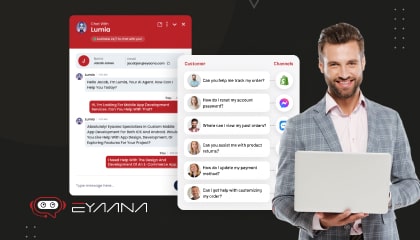
Customers interact with businesses across multiple channels—websites, mobile apps, messaging platforms, and social media. High-converting chatbot flows are designed to deliver consistent experiences across all touchpoints.
While the interface may vary, the core logic, tone, and intent handling should remain unified. This consistency builds brand trust and ensures users receive the same quality experience regardless of where they engage.
Omnichannel chatbot strategies also allow businesses to meet users where they are, increasing engagement and conversion opportunities.
The Role of AI in Advanced Chatbot Flows
Artificial intelligence plays a crucial role in elevating chatbot flows beyond basic automation. AI-powered chatbots can understand natural language, detect intent, learn from interactions, and improve over time.
With AI-driven capabilities, chatbot flows can:
-
Handle open-ended questions
-
Adapt responses dynamically
-
Predict user needs
-
Personalize interactions at scale
This intelligence enables businesses to move from scripted conversations to meaningful, human-like engagements that drive better outcomes for both support and sales.
How Eyaana Enables High-Converting Chatbot Experiences
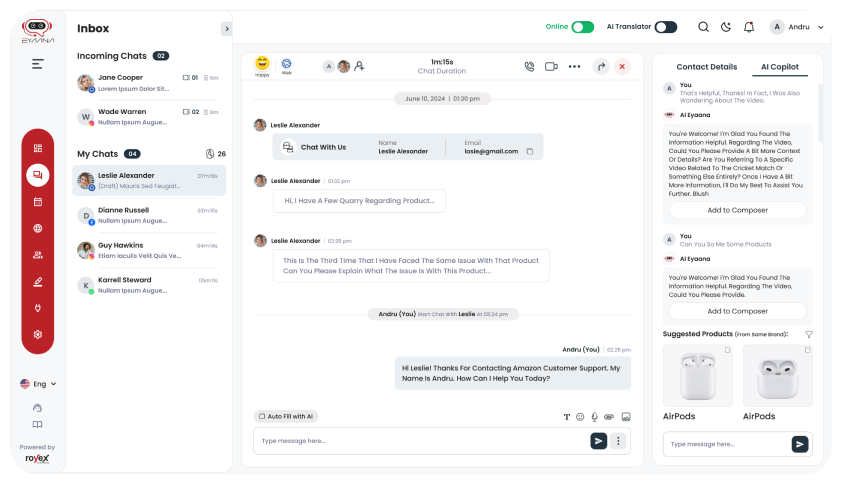
Eyaana is built to help businesses design, deploy, and optimize intelligent chatbot flows that deliver real business impact. By combining conversational AI with seamless system integrations, Eyaana empowers organizations to transform everyday conversations into valuable customer experiences.
With Eyaana, businesses can:
-
Design intent-driven chatbot flows for support and sales
-
Integrate chatbots with CRM, ERP, and backend systems
-
Deliver personalized, context-aware conversations
-
Enable seamless human handoffs
-
Continuously optimize chatbot performance using real-time insights
Eyaana’s AI-driven approach ensures that chatbot interactions feel natural while remaining scalable and efficient. Whether handling customer support queries or guiding users through complex purchase journeys, Eyaana helps businesses achieve measurable improvements in engagement, efficiency, and conversion rates.
Future-Proofing Your Chatbot Strategy
As customer expectations continue to evolve, chatbot flows must become more intelligent, empathetic, and outcome-focused. Businesses that treat chatbots as strategic tools rather than simple automation will gain a competitive advantage.
High-converting chatbot flows are built on a deep understanding of user intent, thoughtful conversation design, intelligent personalization, and continuous optimization. When aligned with a powerful platform like Eyaana, chatbots become more than just digital assistants—they become growth drivers.
Final Thoughts
Designing high-converting chatbot flows requires more than technical implementation. It demands a customer-centric mindset, clear business objectives, and a commitment to ongoing improvement.
When designed correctly, chatbots enhance support experiences, streamline operations, and unlock new revenue opportunities—all while delivering the instant, personalized interactions today’s customers expect.
With the right strategy and the right platform, conversational AI can transform how businesses connect with their customers—one conversation at a time.
Do you need help?
We will provide detailed information about our services, types of work, and top projects. We will calculate the cost and prepare a commercial proposal.